Greenwich Council bulky waste rules and rubbish disposal fines
Posted on 19/08/2026
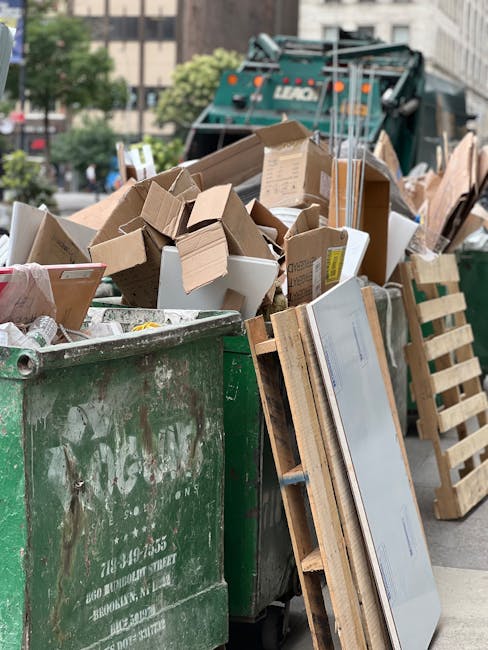
Greenwich Council bulky waste rules and rubbish disposal fines: what residents need to know
If you live in Greenwich, bulky items can become awkward fast. One minute it is a broken wardrobe, the next it is an old mattress leaning in the hallway and a bulky waste collection you meant to book last week. Greenwich Council bulky waste rules and rubbish disposal fines matter because the wrong choice can turn a simple clear-out into a costly mess. This guide explains how bulky waste disposal works, what usually triggers fines, the mistakes people make, and how to stay on the right side of local expectations without making life harder than it needs to be.
Whether you are clearing a flat in SE10, dealing with post-move leftovers, or sorting garden and house waste after a big weekend tidy-up, the key is simple: know what counts as bulky waste, understand the council process, and avoid leaving items where they should not be. Let's make it practical.
Why Greenwich Council bulky waste rules and rubbish disposal fines matters
Bulky waste rules exist for a reason. Large items like sofas, beds, wardrobes, white goods, tables, and broken furniture can block pavements, attract complaints, and create safety issues if they are left out carelessly. In a busy borough like Greenwich, that sort of thing gets noticed quickly. A box tucked beside the bin might seem harmless. A sofa dumped near a wall at 7am? Not so much.
The real issue is not just tidy streets. It is the risk of penalties, missed collections, fly-tipping enforcement, and frustration for neighbours. Rubbish disposal fines often happen when waste is placed out incorrectly, left without a valid collection arrangement, or passed to someone who is not licensed to remove it properly. And once enforcement gets involved, the situation usually becomes more expensive than handling it correctly in the first place.
There is also a practical side that people overlook. If you are moving home, renovating, or clearing out a property after a tenancy change, one bad disposal decision can delay everything. We have all seen that last-minute scramble: a hallway full of stuff, a lift that is already being used by neighbours, and everyone hoping the problem will simply disappear by morning. It rarely does.
Expert summary: The safest approach is usually to identify the item type, confirm whether it qualifies as bulky waste, choose a proper disposal route, and keep evidence of what you arranged. That one habit solves more problems than people expect.
If you are planning a larger clear-out, it can help to think beyond one item. A full room clearance may be better handled as a broader service, such as house clearance in Greenwich, rather than trying to manage every item separately. For mixed waste situations, a broader waste removal Greenwich option can be more efficient too.
How Greenwich Council bulky waste rules and rubbish disposal fines works
At a plain-English level, bulky waste rules are about how large household items should be presented, booked, or handed over for lawful collection. Council areas typically expect residents to use the correct collection route, separate prohibited materials, and avoid placing waste on the street without permission. The fine usually comes into play when rubbish is dumped, obstructs public space, or is handled irresponsibly.
The process usually follows a pattern:
- Identify the item. Is it furniture, appliance waste, or something else that needs special handling?
- Check whether it can be collected as bulky waste. Some items are accepted more easily than mixed or hazardous materials.
- Prepare the item properly. That may mean removing loose contents, bagging small debris, or separating restricted materials.
- Use a lawful route. That could be a council collection, a licensed waste contractor, or another appropriate disposal method.
- Keep proof. Receipts, booking details, and the name of the service provider can matter if there is a dispute later.
One of the biggest misunderstandings is that bulky waste is "just bigger rubbish." Not really. Different item types can have different handling needs. A sofa is not the same as a fridge. A wardrobe is not the same as a broken desk. And garden trimmings are not the same as builder's rubble. If your clear-out mixes several waste streams, read a practical local guide such as the SE10 rubbish removal guide for flats or rubbish clearance timings and costs in Blackheath to understand the kind of planning that keeps things smooth.
In many real situations, the hassle starts with one small mistake. Someone leaves a mattress beside a communal bin area. Another person adds a chair. By evening, the pile has doubled. Neighbours complain. Then the council or managing agent steps in. That is usually how disposal problems snowball. Not glamorous, but true.
Key benefits and practical advantages
Following the rules is not just about avoiding a fine, although that is a big one. It also saves time, reduces stress, and helps you make better decisions about what to keep, donate, recycle, or remove. A proper plan often costs less overall than a rushed cleanup. Funny how that works.
- Lower risk of penalties: You are less likely to receive a rubbish disposal fine if waste is handled through the correct route.
- Better compliance: A lawful disposal trail matters if there is ever a complaint or tenancy dispute.
- Cleaner communal spaces: This is especially important in flats, estates, and streets with limited storage.
- Less physical strain: Moving heavy items yourself is one of those jobs that looks easier before you start.
- More predictable costs: Clear pricing tends to beat "we'll see on the day" arrangements.
There is another advantage people miss: better planning usually reduces waste. If you sort items before disposal, you can often separate reuse-worthy pieces from actual rubbish. That fits nicely with a more responsible approach to waste and recycling. If sustainability matters to you, the company's recycling and sustainability approach is a useful place to start.
For people comparing options, a good rule of thumb is this: if the job is a single bulky item, a targeted collection may be enough. If it is a whole room, a post-tenancy clear-out, or furniture plus mixed rubbish, a more complete service may be better value. It depends on volume, access, and how quickly the space needs clearing.
Who this is for and when it makes sense
This topic matters to more people than you might think. Bulky waste rules affect homeowners, tenants, landlords, letting agents, property managers, small businesses, and anyone left with an awkward pile of items after a move or refurbishment.
It is especially relevant if you are:
- moving out of a Greenwich flat and need a tidy handover;
- sorting a deceased estate or partial house clearance;
- replacing furniture after a renovation;
- getting rid of a damaged sofa, mattress, or appliance;
- clearing a garden after seasonal work;
- managing builders' leftovers after light works;
- trying to avoid communal-area complaints in a block of flats.
For landlords and agents, timing matters more than most people realise. A room can look almost empty, but one uncollected wardrobe or broken bed frame can delay inventory sign-off. If you are handling a larger property turnaround, a service like office clearance Greenwich may also be relevant for commercial spaces, while builders' waste disposal in Greenwich is the better fit for renovation debris.
For people living in apartments, the issue is often access rather than waste volume. Narrow stairwells, timed entry systems, and shared entrances make it far less simple than "just take it down the stairs." If you live in a block, it is worth checking your building rules as well as council expectations. Not exciting, admittedly, but it saves a headache later.
Step-by-step guidance
If you want to avoid rubbish disposal fines, use a simple process every time. It does not need to be complicated.
- List the items. Write down everything you want removed. Include quantity and rough size.
- Sort by type. Separate furniture, electrical items, garden waste, builders' debris, and bagged household rubbish.
- Check for restricted materials. Some items may need special handling or may not be accepted in standard bulky collections.
- Choose the disposal route. Decide whether the council route, a waste collection service, or a clearance team is most suitable.
- Book in advance where possible. Last-minute disposal plans usually cost more or cause avoidable stress.
- Prepare access. Clear hallways, unlock gates, and make sure the crew can reach the items without dragging them through a mess.
- Keep documentation. Save booking details and payment confirmation.
- Check the site afterwards. Make sure nothing has been left behind, especially small parts or packaging.
Here is a realistic example. A family clearing a spare room may think they have "just a bed and a couple of drawers." Once the mattress, bed base, bedside table, mirror, bags of old clothes, and a broken lamp are all counted, the job looks very different. That is when proper planning pays off.
If you want a same-day solution because the flat has already been emptied and you need the last bits gone, it is worth reading what to know before booking same-day rubbish removal in SE10. Quick does not have to mean careless, though it does mean you should ask a few better questions up front.
Expert tips for better results
The difference between a smooth clear-out and a stressful one is often in the small details. These are the habits that keep jobs tidy and reduce the chance of problems.
- Measure bulky items before choosing a disposal method. A quick tape measure can save a lot of awkwardness later.
- Break down what can be safely dismantled. Flat-pack furniture and disassembled bed frames are easier to handle than fully assembled items.
- Keep liquids and loose contents out of bulky items. Drawers, cupboards, and storage boxes often hide more waste than people expect.
- Take photos before collection. Handy for records and useful if the property is shared or managed.
- Ask about access conditions early. Narrow stairs, parking restrictions, and lift limitations can change the price or timing.
- Use one disposal plan for the whole job. Mixing half a council route and half a casual handover is where things get messy.
Truth be told, the easiest way to make a disposal job more expensive is to keep discovering items after the collection team has arrived. We have all seen it happen. A "small tidy-up" becomes two extra rooms and three trips to the van. Not ideal.
If you are comparing providers, focus on clarity. The most useful services explain what is included, what might cost extra, what access they need, and whether lifting, loading, or sweep-up is part of the job. For pricing clarity, see pricing and quotes and the wider services overview. Those pages help you understand how different jobs are structured.

Common mistakes to avoid
A lot of fines and avoidable costs come from a few predictable mistakes. Once you know them, they are easy enough to dodge.
- Leaving bulky waste on the pavement without arrangement. This is one of the most common ways to invite trouble.
- Assuming all large items are accepted the same way. Fridges, mattresses, and furniture can follow different rules.
- Using an unlicensed mover. It may look cheaper until the waste is dumped elsewhere and traced back.
- Mixing prohibited waste with ordinary household items. That can cause the whole load to be rejected or cost more to process.
- Not checking building rules. Communal areas often have stricter expectations than people realise.
- Forgetting about timing. If you leave it too late, you may have no decent option before a move-out deadline.
One particularly annoying mistake is underestimating how visible waste is in Greenwich's tighter residential streets. A single chair left at the wrong time can be seen by half the road before you have even made a cup of tea. Not exactly a proud moment.
There is also a cost trap to watch for. Hidden extras can appear when access is difficult, the load is heavier than described, or the waste is not what was originally declared. A helpful read on this point is how to avoid hidden rubbish removal charges in the Greenwich council area. It is a sensible companion piece if you want to avoid surprises.
Tools, resources and recommendations
You do not need fancy software to handle bulky waste well. A few practical tools are usually enough.
- Measuring tape: Useful for checking item size and doorway clearance.
- Phone camera: Take quick photos of the items and access route.
- Basic notebook or notes app: Keep a simple waste inventory.
- Labels or marker pens: Helpful if items are being sorted for reuse, recycling, or disposal.
- Protective gloves: Sensible for handling rough edges, splinters, or dusty furniture.
- Bin bags and tape: Handy for loose screws, cushions, and smaller fragments.
On the planning side, you may also want to look at related service pages depending on the waste type. Garden cuttings and soil are better suited to garden waste removal in Greenwich, while renovation leftovers need a different route. If you are dealing with a garage, shed, or mixed household pile, a more general rubbish collection Greenwich service can be a good fit.
For people moving into or out of the area, local context matters too. If you are still deciding whether the area suits your day-to-day life, the article on should you move to Greenwich? ask a local offers a grounded view of life here. And if you are simply trying to settle in well, embracing the tranquillity of Greenwich London is a nice reminder that a calmer home setup helps more than we admit.
Law, compliance, standards, or best practice
This area touches on general UK waste-handling expectations, local authority enforcement, and duty-of-care style best practice. Without getting overly legal, the core point is straightforward: waste should be passed to someone authorised to handle it, and it should not be abandoned where it can create a nuisance, obstruction, or environmental issue.
For households, that means using approved collection routes, keeping waste under control, and avoiding the temptation to treat the street or shared bin area as temporary storage. For landlords and businesses, the expectations are even higher because waste from a property or premises should be handled in a way that is traceable and responsible.
In practice, good compliance looks like this:
- accurate description of waste types;
- clear booking records;
- reasonable care over where items are left;
- no dumping in communal or public areas;
- proper handling of mixed waste streams;
- use of a provider that can explain how waste is managed.
If you are choosing a provider, it is sensible to check their insurance and safety approach as well. That is especially helpful where heavy lifting, stairs, or tight access are involved. On top of that, knowing a company's background through about us can give you more confidence that the job will be handled properly.
Best practice is usually more boring than people hope. But boring is good here. Boring means no fine, no complaint, no awkward note from a neighbour, and no last-minute scramble on collection day.
Options, methods, or comparison table
There is no single best method for every bulky waste job. The right choice depends on volume, item type, urgency, and access. Here is a simple comparison.
| Option | Best for | Pros | Watch-outs |
|---|---|---|---|
| Council bulky waste route | One-off household items and planned clear-outs | Structured, straightforward, often suitable for standard items | May require booking, preparation, and careful item separation |
| General rubbish collection | Mixed household rubbish plus bulky items | Flexible for varied loads, especially when several waste types are involved | Need to be clear about what is included |
| House clearance service | Whole-room, property, or tenancy clearances | Efficient for bigger jobs; good when time is tight | Can be more than needed for a single item |
| Builders' waste service | Renovation debris, rubble, and construction leftovers | Designed for heavier and messier waste streams | Not suitable for all household items |
| Garden waste service | Cuttings, branches, soil, and green waste | Better fit than general disposal for outdoor waste | Bulk green waste can still need careful sorting |
For a lot of Greenwich households, the best option is not the cheapest on paper. It is the one that removes uncertainty. If you are paying for access, lifting, and speed anyway, clarity is often worth the small extra cost.
Case study or real-world example
A typical Greenwich scenario goes something like this. A tenant is moving out of a SE10 flat on a Friday afternoon. There is a broken bed frame, a mattress, a small wardrobe, two bags of damaged clothes, and some leftover packaging from a recent furniture delivery. At first glance, it feels manageable. Then the tenant remembers the lift is shared, the stairwell is narrow, and the lease requires the flat to be left clear before handover.
Here is what works best in that situation:
- Make a full list of items before doing anything else.
- Separate reusable items from true waste.
- Check which items are bulky and which are ordinary rubbish.
- Book the right disposal method early enough to avoid deadline panic.
- Keep the hallway clear so collection is fast and safe.
The result? Less stress, fewer trips up and down the stairs, and no last-minute panic on the day of checkout. A small amount of planning changed the whole tone of the move. That is usually the real lesson.
If the load is bigger than expected, a service focused on house clearance Greenwich may be more sensible than trying to piece together several small solutions. And if the job needs to happen quickly, you may want to read more about same-day rubbish removal SE10 before you commit.
Practical checklist
Use this before you put anything out for collection or hand it over to a contractor.
- Have I identified every bulky item?
- Are any items hazardous, electrical, or restricted?
- Have I separated bulky waste from ordinary bags and recycling?
- Do I know the correct collection route?
- Have I checked building, lease, or landlord rules?
- Have I cleared access paths and parking space if needed?
- Do I have booking confirmation or written instructions?
- Have I removed loose contents and small extras from drawers or cupboards?
- Do I know what the service includes and what might cost extra?
- Have I kept a record in case I need it later?
Quick takeaway: the more clearly you plan the job, the less likely you are to face rubbish disposal fines, rejected items, or last-minute costs. It really is that simple, even if the actual lifting is not.
Conclusion
Greenwich Council bulky waste rules and rubbish disposal fines are ultimately about common sense, timing, and doing the right thing before a small problem turns into an expensive one. If you know what counts as bulky waste, prepare it properly, and choose the right disposal method, you can usually avoid penalties and keep the process calm.
For many residents, the best outcome is not just avoiding fines. It is getting the job done cleanly, safely, and without turning the week upside down. Whether you are clearing a flat, managing a move, or dealing with a bigger property project, a little planning goes a long way. And in Greenwich, where shared spaces and busy streets make waste more visible than you might expect, that planning really does matter.
If you are weighing up your options and want to keep things simple, start with a clear inventory, choose the right service, and make sure the disposal route is proper from the outset. That is the unglamorous route, sure. But it is the one that saves time and stress.
Get a free quote today and see how much you can save.
Take it one step at a time, and the whole job becomes much more manageable. That is usually how the best clear-outs happen.

Copyright © . House Clearance Greenwich. All Rights Reserved.