Real cost of house clearance in SE10 compared to SE3
Posted on 20/10/2026
If you are trying to work out the real cost of house clearance in SE10 compared to SE3, you are probably doing more than just a quick price check. Maybe you are clearing a flat after a move, dealing with a probate property, or simply trying to avoid a surprise bill. To be fair, the headline price is only half the story. Access, parking, property type, loading time, and even how much sorting you do beforehand can change the number quite a bit.
SE10 and SE3 both sit in and around Greenwich, but the practical realities on the ground are not identical. SE10 often includes busier streets, flats, tighter access, and more stop-start logistics. SE3, by contrast, can involve larger homes, garden waste, longer carries, or estate-style access that changes labour time. This guide breaks down what really drives the price, how to compare quotes properly, and where people often get caught out.
One small warning from experience: the cheapest quote is not always the cheapest clearance. Not even close.
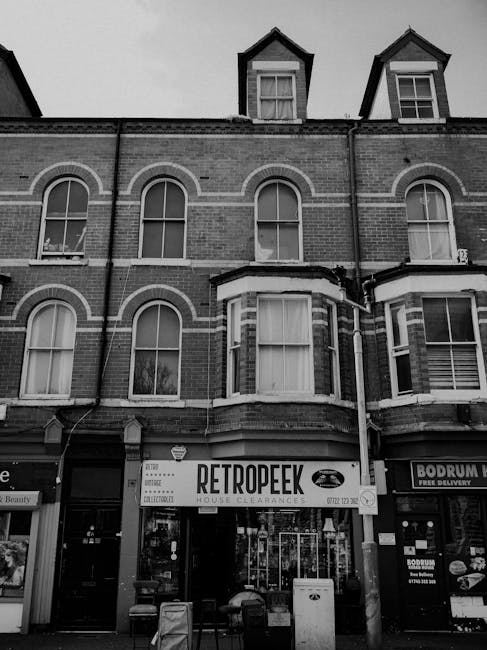
Why Real cost of house clearance in SE10 compared to SE3 Matters
The reason this comparison matters is simple: postcode pricing in house clearance is rarely just postcode pricing. It is a shorthand for access, property type, likely waste volume, traffic conditions, labour time, and disposal complexity. If you compare SE10 and SE3 as if they were identical, you can easily misread the quote.
SE10 properties often include flats, converted buildings, riverside apartments, and narrower residential streets. That can mean more time to park, more time to carry items down stairs, and more interruptions during loading. SE3, while still local, may bring different conditions such as larger detached or semi-detached homes, more garden waste, and heavier mixed loads from lofts, sheds, or garages.
So the real question is not just "what is the cheapest quote?" It is "what work is actually included, and how much time will the team need on the day?" That distinction is where people save money, or lose it.
If you are also thinking about a move or sale in the area, a couple of related reads may help you understand the local context a bit better: should you move to Greenwich, ask a local and Greenwich real estate purchase tips.
How Real cost of house clearance in SE10 compared to SE3 Works
Most house clearance companies price jobs using a mix of load size, labour time, disposal fees, and access difficulty. In other words, they are trying to estimate how many people, how long, and how much vehicle space is needed. Straightforward enough in theory. In practice, not always.
Here is how the main cost factors usually stack up:
- Volume of items: more bags, furniture, appliances, and mixed clutter usually means a higher price.
- Access: top-floor flats, no lift, narrow hallways, long walking distance to the vehicle, or difficult parking can all add labour time.
- Waste type: general household waste is different from bulky items, electrical items, builders' waste, or garden waste.
- Sorting requirements: if the team has to separate recyclables, charity-donatable items, and general rubbish, the job can take longer.
- Urgency: same-day or short-notice bookings can cost more because they disrupt the schedule.
- Location logistics: busier roads, controlled parking, and loading restrictions can increase on-site time.
The postcode itself does not magically determine the bill. But it does hint at the kind of job the team expects to face. SE10 often leans toward access and parking pressure; SE3 more often leans toward larger-volume clearances or mixed household and outdoor waste. Not always, of course. But often enough that it matters.
If you are clearing a flat in SE10, it may be worth looking at a guide focused on apartment logistics, such as SE10 rubbish removal for flats. For more urgent jobs, same-day rubbish removal in SE10 is also useful reading.
Key Benefits and Practical Advantages
Once you understand the pricing logic, you are in a much stronger position. The benefit is not just saving a few pounds, although that is nice enough. It is about preventing awkward disputes, reducing delays, and choosing the right service for the actual job.
- More accurate quotes: you can explain access, floor level, and item types clearly, which reduces guesswork.
- Fewer surprise charges: hidden extras often appear when access or waste type was not discussed properly.
- Better timing: the right team size and vehicle can be sent the first time.
- Less stress on the day: you are not scrambling to move items or negotiate while the van is outside.
- Better recycling outcomes: a properly planned clearance is easier to sort, reuse, and recycle.
There is also a mental benefit, which people underestimate. Once the quote is clear, the whole job feels manageable. The room stops looking like a pile of decisions and starts looking like a project with a finish line. Funny how that works.
For people who care about sustainability, it can help to understand how a company handles sorting and disposal. You may also find the site's recycling and sustainability information useful when judging how responsibly a clearance is likely to be carried out.
Who This Is For and When It Makes Sense
This topic is relevant if you are:
- clearing a rented flat before handing back the keys
- emptying a property for sale
- dealing with probate or a family home clearance
- removing bulky furniture after a refurbishment
- getting rid of garden, garage, or loft contents
- comparing quotes from different Greenwich area providers
It makes especially good sense to compare SE10 and SE3 costs if you already suspect the jobs are different in scale. For example, a one-bedroom second-floor flat near central Greenwich is a different animal from a house in SE3 with a shed, old carpet, and a stack of worn-out garden furniture. Same broad service, different reality.
If you are in the middle of a property move or sale, the local context can matter more than people expect. A useful companion piece is smart buying Greenwich real estate insight, which helps frame how property type can influence moving and clearance plans.
Step-by-Step Guidance
If you want a fair comparison between SE10 and SE3, use a structured approach rather than relying on a quick phone estimate. Here is the practical route.
- List what actually needs removing. Be specific. Sofas, wardrobes, mattresses, books, white goods, garden waste, broken electronics, and loose rubbish should all be counted separately if needed.
- Note the access details. Floor number, lift availability, parking distance, stair width, and whether the team can park close to the entrance all matter.
- Photograph the rooms. A few clear pictures usually help more than a long description. One or two angles per room is often enough.
- Ask what is included. Check labour, loading, disposal, recycling, congestion or parking issues, and whether extra items could change the price.
- Compare like for like. A cheaper quote that excludes labour or access complications is not the same offer. Not even close.
- Confirm timing. Morning versus afternoon, weekday versus weekend, and same-day versus booked-ahead can all affect the final figure.
- Ask about sorting options. If you have reusable furniture or sensitive items, discuss whether the team can separate them before disposal.
One thing people miss all the time: a quote for SE3 may look higher simply because the house contains more stuff, not because the postcode is expensive. Likewise, SE10 might look lower on volume but higher on labour because the flat is awkward. That is why context beats guesswork.
Expert Tips for Better Results
These are the small habits that make a big difference. The kind of things that save time on the day and often save money too.
- Clear a route before the team arrives. If hallways are blocked, labour time rises and the job feels heavier than it should.
- Separate obvious recycling. Cardboard, clean scrap, and some household items are easier to deal with when sorted early.
- Be honest about volume. Underestimating the amount of waste usually leads to awkward price revisions later.
- Check if there are hidden extras. Ask directly about access, stairs, parking, waiting time, and special disposal items.
- Book with enough breathing room. A slightly more flexible slot can reduce stress and sometimes cost less.
A small but practical local tip: if you are in a busy pocket of SE10, the difference between a smooth clearance and a frustrating one can be ten minutes of parking luck. That is it. Ten minutes. London can be like that, a little absurd.
For a better idea of service breadth, you might also want to review the site's services overview so you can match the job to the right type of clearance rather than assuming one service fits everything.

Common Mistakes to Avoid
Most pricing headaches come from a handful of avoidable mistakes. They are ordinary mistakes, which is why they happen so often.
- Giving vague item counts. "A few bits and pieces" can mean very different things to different people.
- Ignoring access problems. A ground-floor flat and a fourth-floor walk-up do not cost the same to clear.
- Forgetting bulky or unusual items. Mattresses, fridges, large wardrobes, and heavy cabinets can alter the plan.
- Not asking about disposal rules. Some items need special handling, and that can affect the price.
- Chasing the cheapest number only. The cheapest quote can become the most expensive once extras are added.
Another common issue is assuming all rubbish is treated the same. It is not. House clearance, waste removal, builders' waste, garden waste, and office clearance each have different handling needs. If your job includes mixed waste, it helps to understand the difference. The site has relevant pages for waste removal in Greenwich, rubbish collection in Greenwich, and builders' waste disposal in Greenwich.
Tools, Resources and Recommendations
You do not need fancy tools to compare house clearance costs properly. A phone camera, a room-by-room list, and a bit of honesty go a long way. Still, a few resources can help.
- Photos and short videos: useful for getting a more accurate estimate.
- A written room inventory: helps you avoid forgetting the loft, shed, or under-stairs cupboard.
- Measured access notes: stair count, parking distance, and lift availability can be surprisingly useful.
- A timeline: especially if you are fitting the clearance around a sale, tenancy end, or refurbishment.
If you want to see how the company approaches pricing before you request a quote, the page on pricing and quotes is the most relevant place to start. If you are checking who you are dealing with, the about us page can also be useful for trust signals and service context.
And if safety or handling concerns are on your mind, the insurance and safety information is worth a look before booking anything in a hurry.
Law, Compliance, Standards, or Best Practice
House clearance work should be handled with proper care, especially when waste is being collected, loaded, and transferred for disposal or recycling. While this article is not legal advice, there are some sensible best-practice points worth keeping in mind.
First, reputable operators should be able to explain how waste is handled, sorted, and disposed of. Second, they should be transparent about what is and is not included in a quote. Third, they should avoid dumping responsibility back onto you if something changes after arrival. Clear communication is not a luxury here; it is part of good practice.
For homeowners, tenants, and landlords, it is also wise to keep records of what was removed, when the job took place, and what the scope included. That is especially useful in probate situations, end-of-tenancy checks, or property handovers. Bit boring, yes, but useful. Very useful.
Where a company mentions ethical conduct, privacy, or payment handling, you can cross-check those details on pages such as privacy policy, payment and security, and modern slavery statement. These are not pricing pages, but they do help signal how seriously a business treats governance.
Options, Methods, or Comparison Table
Below is a simple comparison of how SE10 and SE3 often differ in clearance planning. This is not a fixed price list, because every property is different. It is a practical way to think about the real-world job behind the quote.
| Factor | SE10 often means | SE3 often means | Cost impact |
|---|---|---|---|
| Property type | Flats, conversions, compact homes | Family houses, larger homes, mixed outdoor areas | Different labour and volume patterns |
| Access | Stairs, tighter hallways, parking pressure | Longer carries, larger interior spaces, garden access | Can raise time on site in either area |
| Typical load | Smaller household clearances, flat contents, bulky furniture | Broader household loads, loft/garage items, garden waste | Volume often matters more than postcode |
| Time sensitivity | Often linked to tenancy deadlines and moving dates | Often linked to sale prep, downsizing, or estate work | Urgency can affect pricing |
| Best quote strategy | Provide access details and photos early | Break down rooms, outbuildings, and garden items clearly | Improves accuracy and reduces extras |
In plain English: the "real cost" is what the job actually takes, not what the postcode sounds like it should cost. That is the heart of it.
Case Study or Real-World Example
Here is a realistic example based on the sort of jobs people commonly ask about.
Imagine a one-bedroom flat in SE10 that needs a sofa, mattress, coffee table, several bags of mixed rubbish, and a few kitchen items removed. The property is on an upper floor, the lift is unreliable, and parking is a little awkward. The quote may look modest at first, but access and carrying time add pressure.
Now compare that with a two-bedroom house in SE3. The access is easier, but the job includes an old wardrobe, a chest of drawers, boxes from the loft, broken garden furniture, and a pile of cuttings from the back garden. The job may take longer overall because the volume is bigger and the load is more varied, even if parking is easier.
Which one costs more? There is no automatic answer. That is the point. One job is physically awkward; the other is larger and broader. A quote that ignores those differences is not very helpful, even if it looks tidy on paper.
A real local note: around the Cutty Sark and central Greenwich areas, a tidy-looking clearance can still become a complicated one if parking or access is tight. If that sounds familiar, these Cutty Sark rubbish collection tips are worth a quick read.
Practical Checklist
Use this checklist before you request or accept a quote:
- List every room, cupboard, loft, shed, and outdoor area involved.
- Take clear photos of the main items and access points.
- Note floor level, lift access, and parking distance.
- Separate standard household items from special or bulky waste.
- Ask whether labour, loading, and disposal are included.
- Confirm whether same-day, weekend, or short-notice booking changes the price.
- Ask how recyclable or reusable items are handled.
- Check payment method, timing, and any security or invoicing details.
- Keep a written summary of what was agreed.
If you are clearing after a move or sale, also make sure the schedule lines up with your handover date. A rushed clearance at the end of the day is not fun for anyone. Ask me how people learn that one.
Get a free quote today and see how much you can save.
Conclusion
The real cost of house clearance in SE10 compared to SE3 is not about postcode pride. It is about what the job actually involves: access, volume, labour, urgency, and waste type. SE10 can feel more complicated because of flats and parking. SE3 can feel heavier because of larger households and outdoor waste. Either way, the final price should reflect the real work, not a rough guess.
If you take one thing away from this guide, let it be this: ask better questions before you compare prices. Clear photos. Honest item counts. Access details. That is how you get a quote that actually holds up on the day.
And once the clearance is done, the room has a strange kind of calm to it. Airy, quieter, lighter. Honestly, that part never gets old.

Copyright © . House Clearance Greenwich. All Rights Reserved.